
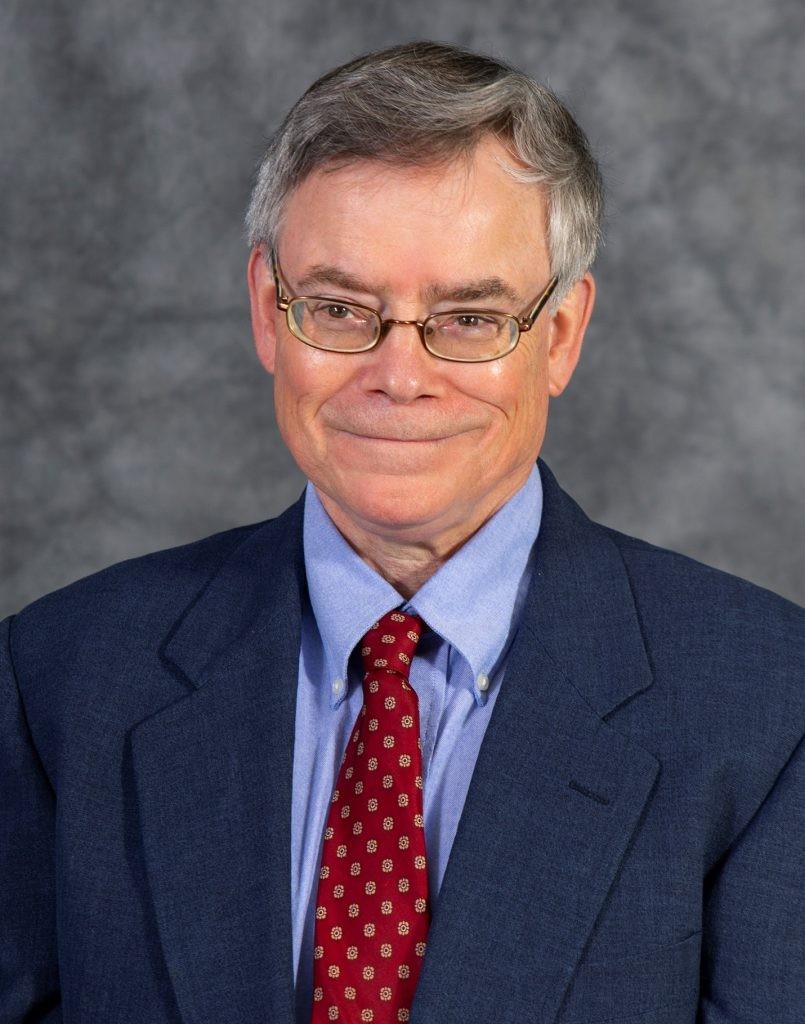
Washington, D.C. – February 13, 2025 – The American Academy of Microbiology (the Academy) has elected Steven C. Ricke, Ph.D. and 62 peers to the Class of 2026. Fellows of the American Academy of Microbiology, an honorific leadership group within the American Society for Microbiology (ASM), are elected annually through a highly selective, peer-review process, based on their records of scientific achievement and original contributions that have advanced microbiology. The Academy received 145 nominations this year, electing 63 into the 2026 Fellowship Class.
“Academy Fellows are leaders in their field whose work influences the direction of scientific discovery and its role in society,” said Vanessa Sperandio, Ph.D., Chair of the Academy Governors. “Election to the Academy is a significant professional milestone, and I am delighted to welcome Steven C. Ricke as a member of the 2026 Cohort.”
“As Chair of the Department of Animal and Dairy Sciences at the University of Wisconsin–Madison, I am pleased to see Dr. Ricke’s accomplishments recognized at this level. We are proud that our colleague has been named a Fellow of the American Academy of Microbiology. This honor highlights Dr. Ricke’s long and impactful record of food safety research, which has significantly advanced our understanding of key challenges in the field. His work continues to strengthen our scientific community and contributes meaningfully to improving public health,” stated Sara Gragg.
The 2026 Fellowship Class brings a wealth of knowledge of the microbial sciences with representation across the globe. The 63 fellows hail from 14 countries, including Australia, Belgium, Canada, China (Mainland), Czech Republic, Denmark, Israel, Netherlands, South Africa, Spain, Sweden, Switzerland, United Kingdom and the United States.
Learn about the 2026 Fellowship Class.
Housed in the College of Agricultural and Life Sciences at the University of Wisconsin–Madison, the Department of Animal & Dairy Sciences is home to undergraduate and graduate programs in animal sciences and dairy science. The department has a long history of discoveries in animal nutrition, physiology, genetics, management, and muscle biology, alongside excellence in emerging areas such as animal welfare, digital agriculture, and animal biologics—generating new knowledge and solving practical problems for the animals and agricultural systems we depend on. Learn more at the department website: https://andysci.wisc.edu/.
The American Society for Microbiology is one of the largest professional societies dedicated to the life sciences and is composed of over 38,000 scientists and health practitioners. ASM’s mission is to promote and advance the microbial sciences.
ASM advances the microbial sciences through conferences, publications, certifications, educational opportunities and advocacy efforts. It enhances laboratory capacity around the globe through training and resources. It provides a network for scientists in academia, industry and clinical settings. Additionally, ASM promotes a deeper understanding of the microbial sciences to all audiences.
This story was repurposed from a press release from the American Academy of Microbiology.