
The Ruminant Farm Systems (RuFaS) project is a nationally coordinated, open-source modeling platform designed to advance sustainable dairy production through integrated whole-farm simulation. Often described as a “digital twin” of the dairy farm, RuFaS connects animal performance, manure management, soil and crop dynamics, and feed systems within a unified framework to evaluate how management decisions influence productivity and environmental outcomes. Developed through a multi-institutional consortium of academic researchers, federal partners, and industry stakeholders, the platform supports science-based greenhouse gas accounting, sustainability benchmarking, and innovation in dairy systems. By combining rigorous biophysical modeling with transparent software development, RuFaS provides a foundation for research, policy, and industry decision-making at national and global levels.
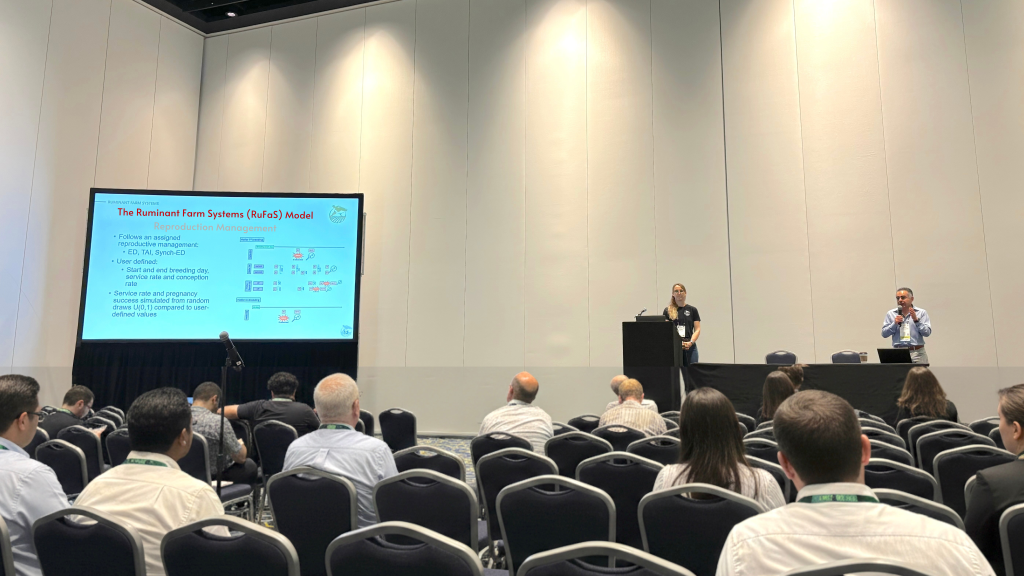
A cornerstone of this national effort is the leadership of Victor E. Cabrera, Professor and Extension Specialist in Dairy Farm Management at the University of Wisconsin–Madison Animal and Dairy Sciences Department. Dr. Cabrera serves as a RuFaS founder and member of the project’s Executive Committee. As Lead Developer of the RuFaS Animal Module, Cabrera has guided the transition from traditional herd-average modeling to a biophysical, individual-animal–based approach. This advancement allows the model to capture daily variation in cow health, production, and efficiency—an essential foundation for accurate sustainability and emissions assessments.
Following years of intensive multi-institutional collaboration, the Ruminant Farm Systems (RuFaS) modeling environment has officially transitioned to an open-source platform, marked by its public release at the 2025 American Dairy Science Association Annual Meeting. RuFaS functions as a comprehensive “digital twin” of the dairy farm, enabling researchers, industry leaders, and producers to simulate complex interactions among animal biology, manure management, and crop production within an integrated systems framework.
The impact of RuFaS now extends well beyond academia. The platform has been adopted as the official modeling tool for greenhouse gas (GHG) emissions auditing within the FARM Environmental Stewardship (Farm-ES) program, ensuring that cutting-edge science directly informs industry-wide sustainability benchmarking and reporting.
“RuFaS is more than a software platform, it is a collaborative ecosystem,” said Cabrera. “By releasing RuFaS as open source, we are inviting the global scientific community to build upon this work, strengthening transparency, innovation, and the long-term sustainability of dairy production systems.”
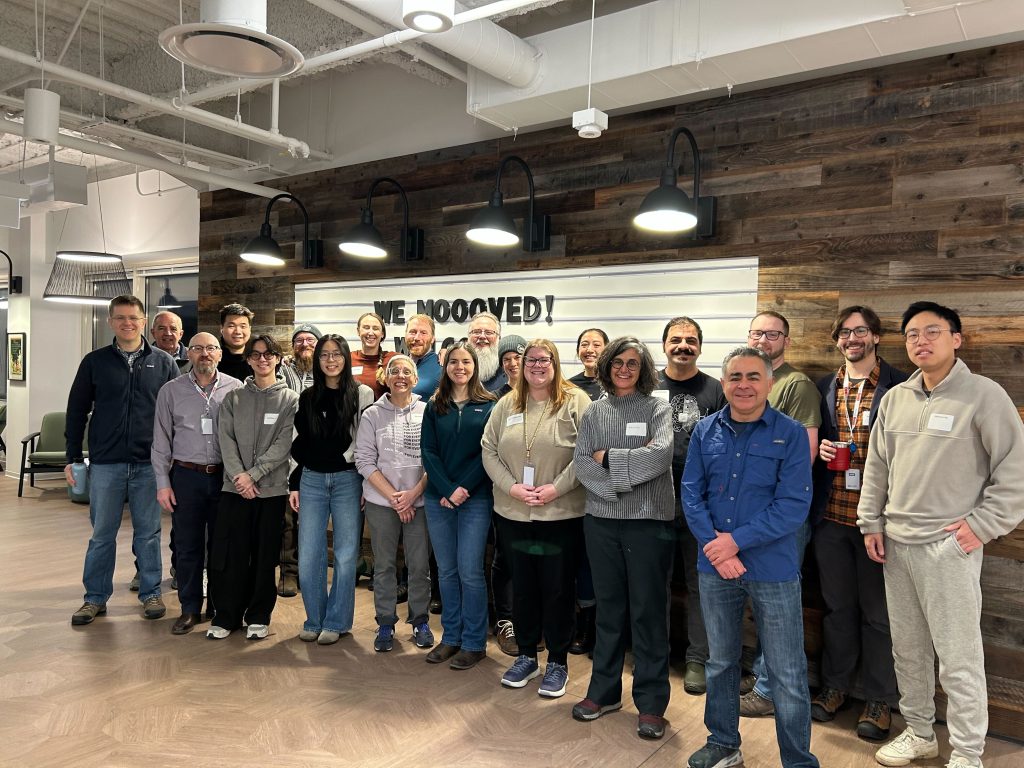
The RuFaS consortium continues to grow, bringing together leading academic institutions, federal agencies, and industry partners, including Cornell University, University of California Davis, and the USDA Agricultural Research Service, among others.